Have you ever thought about how people get into the photography profession, and what types of photography jobs are available?
Many of us, me included, have always had a passion for the subject, as you may have read in one of my previous blogs. For years it was a hobby until I decided to make it my business. Being serious about photography, I then made sure I attended training, and worked to get my professional qualifications through photography professional bodies – in my case, The Institute for Professional Photography.
There are several university photography courses where you can gain a degree in photography too.
I think most people are used to seeing photographers who photograph people; weddings, babies, families, portraits and business headshots. Plus we see the work of many other photographers working in the fashion industry when their image appears in magazines. The majority of these types of photography jobs require you to interact with the public, and often, as with weddings, having to herd a large group of guests together.
So if photography is your passion, but working with people isn’t, then what other areas of photography are there?
Many of us, both amateurs and professionals, love photographing the world around us; landscapes, wildlife, birds, and even the night skies. All situations where you don’t have to deal with people – just changeable weather and light, or animals that don’t appear when you want them to! However, there are other photography choices that are more scientifically based.
Believe it or not, here are 4 different jobs that I’m sure many of us haven’t even thought about but I’ve been fortunate to have had a brief foray into some of these disciplines.
- Clinical/Medical photographer
- Scientific photographer
- Forensic photographer
- Nanoscience & Microscopic photographer
For some of these professions, you do require degrees, and sometimes postgraduate qualifications too, and there are a good range of universities and institutions where you can study.
- Forensics – if you watch any TV thrillers, or Silent Witness, you’ll regularly see the characters taking photos of dead bodies – although in real life, they also take photos of living subjects too. Basically they capture photographs of evidence that can be presented in court. This is one of the few jobs where you don’t need a degree to be a forensic photographer, however, you do need an extensive background in the profession and employers can expect you to pass a mandatory forensics course.
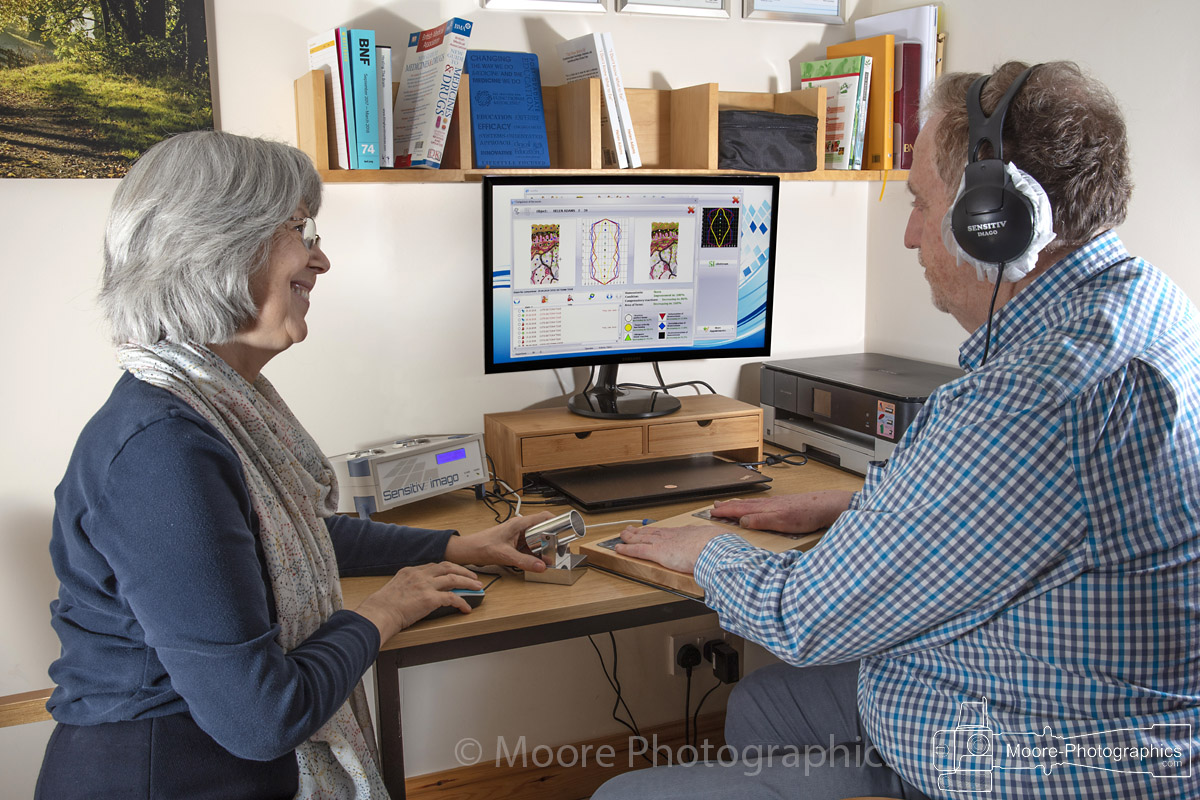
- Clinical/Medical photographers often work in hospitals or community centres to provide professional images for medical use. This might be for patient care, medical education, research, capturing specialised treatments or visual records of patients.
To become a clinical photographer, you need a degree in photography and a postgraduate certificate in clinical photography.
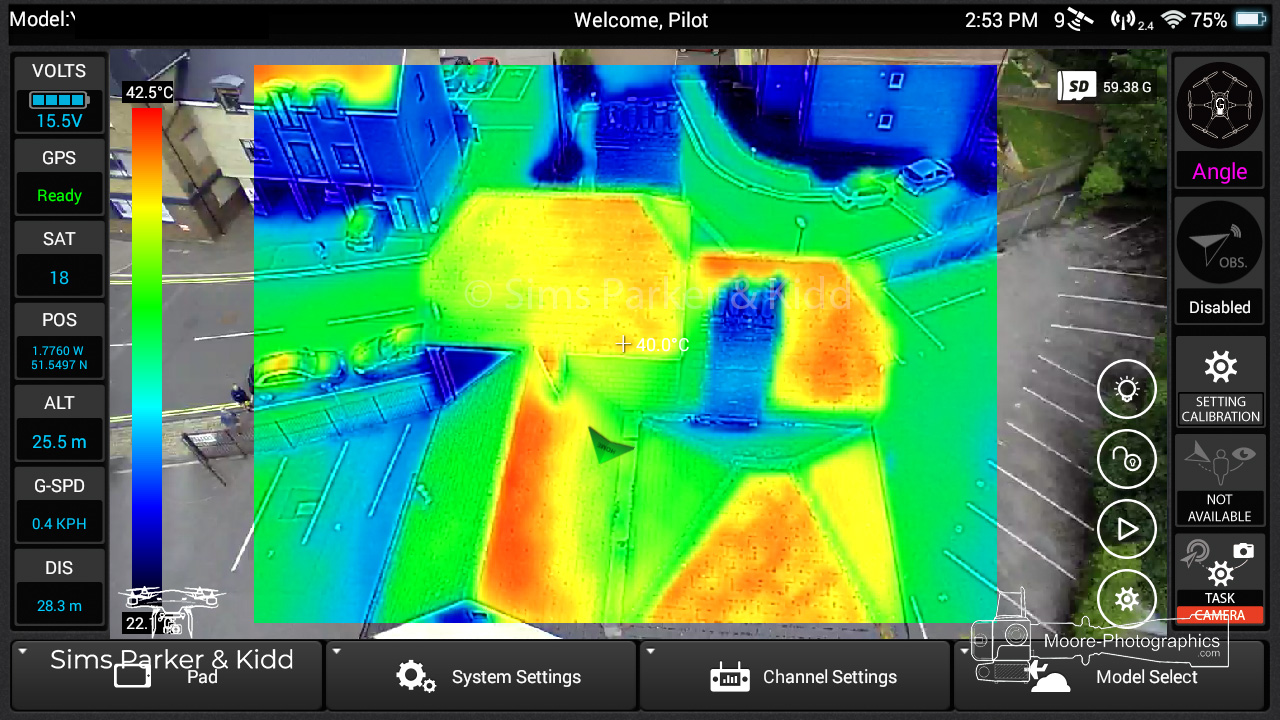
- Scientific photographers record scientific experiments for analysis or for publication in journals. These photographers use very different camera equipment to traditional photographers. They use machines that produce infrared or ultraviolet light to be able to see things that aren’t visible to normal cameras. They also sometimes use thermal imaging to capture differences in temperature.
Most people that work in this field have a degree knowledge of science to enter this profession.
- Nanoscience & Microscopic photography is a specialised career that requires extensive technical skills and training. Nano engineers and scientists work at molecular level, developing innovative technologies, and whilst doing so, make discoveries that help revolutionise our world. For this type of photography you would need a degree in science and most likely postgraduate qualifications too.
You can see the range of subjects I enjoy by visiting my website, and if you’d like me to capture your business, or products, please get in touch: Info@moore-photographics.com